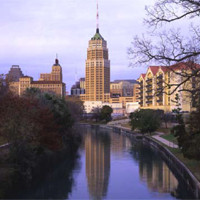
Buda, Kyle and San Marcos are three cities in search of a brand that creates a special sense of place, and attracts businesses and residents who are vested in their communities. Some “I-35” cities are turning to consultants to craft specialized strategies for doing just that.
Jul 3, 2014
Branding Small-Town Texas
Buda, Kyle and San Marcos are among the fastest-growing towns in Texas. City officials hope to maintain a small-town feel while welcoming residents and businesses eager to leave the hustle and bustle of Austin behind.

Sense of place is an elusive concept that many cities chase but few seem to capture. History has shown that cities that manage to create a strong sense of place benefit in countless ways. Real estate licensees benefit from the creation of real estate markets that command a premium. Buyers, both residential and commercial, will pay more to be there.
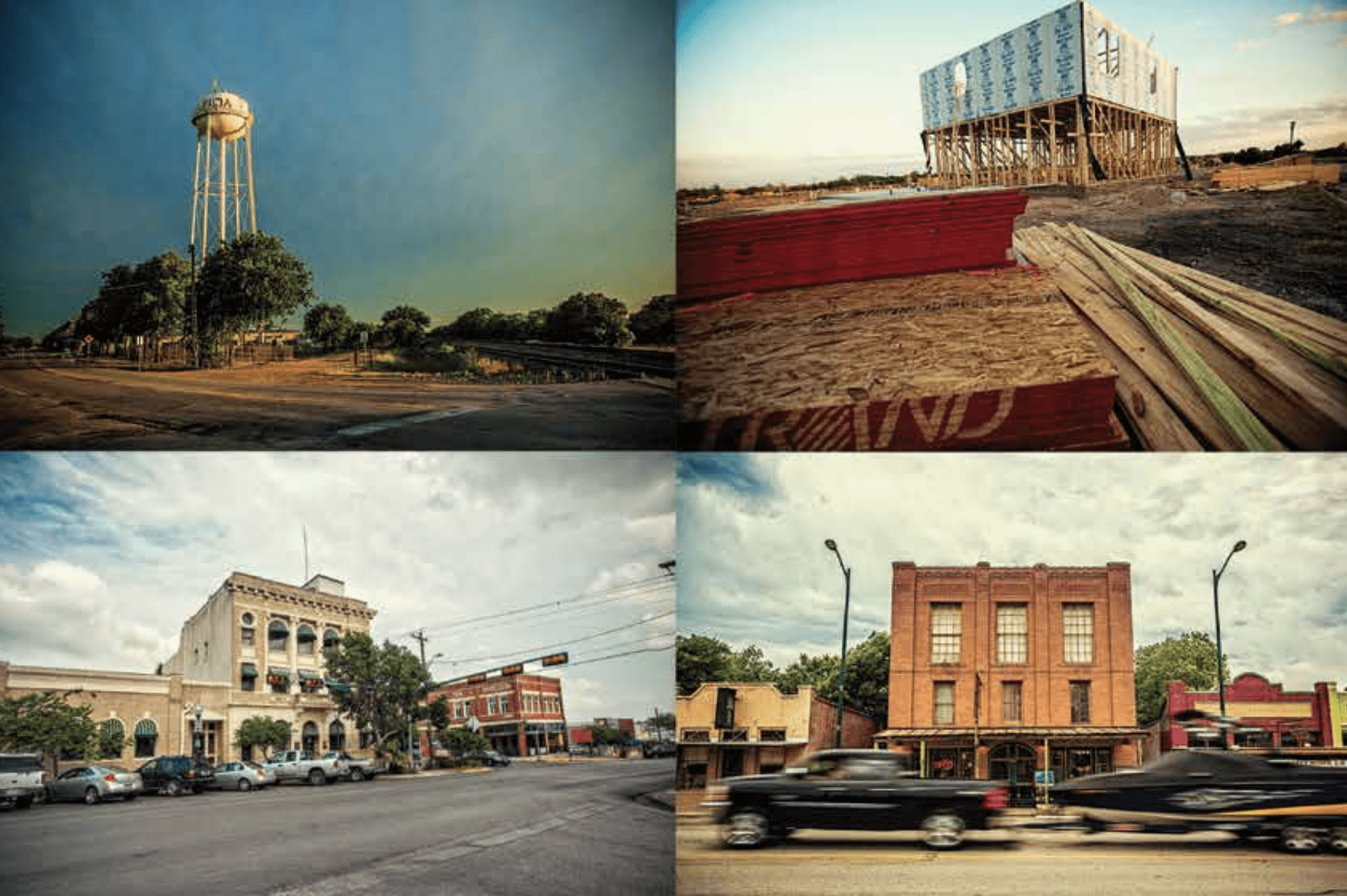
As Texas experiences unprecedented population growth, residents and businesses are increasingly searching for cities that offer something more than utility or convenience. Although those are important features, people also want a city with a unique “feel” where they can connect with their surroundings in a positive, fulfilling way.
The cities of Buda, Kyle and San Marcos are three of the state’s fastest growing. Positioned directly in the growth path between Austin and San Antonio along Interstate 35, their goal is to create a strongly identifiable community that just happens to be between two large metros. Highlighting some of their efforts toward that goal may provide insight for other Texas cities looking to differentiate themselves from the pack.
Defining Sense of Place
No common definition for sense of place exists. Dr. Jennifer Cross, a professor of sociology at Colorado State University, found that five different academic disciplines all define sense of place in different ways.
In her 2001 research, Cross argues that sense of place has two major components. First is “relationship to place,” which involves the way people relate to or bond with places in general. Second is “community attachment,” which gauges the depth and types of attachments to one particular place.
Cross lays out six ways people demonstrate relationship to place:
- a bond that develops over time from being born there or living there for a lengthy period;
- a sense of belonging that wasn’t looked for and can’t be explained;
- a conscious decision to be part of a community, often driven by a desire to live around like-minded people;
- perceptions and expectations of a place shaped by stories or historical accounts, either real or fictional;
- a comparison of the physical attributes of actual places to some ideal; or
- unavoidable limitations that restrict where one must live (dependent children who must live with parents, the elderly living in nursing facilities or job-related constraints).
Cross notes that people may have more than one relationship with a place, and those relationships are likely to change over time. She further profiles five types of people categorized by type of “community attachment,” based on the depth of their experiences and feelings in regard to a particular place.
They are:
- People who are rooted to one community with a strong sense of attachment, identification and involvement in that community. They expect to continue living there for some time.
- People who have strong attachments to two communities. They can also have distinct identities associated with each place. This could include long-time commuters.
- People who are alienated from a place because they have been forced to move from somewhere they were rooted to somewhere where they are not. Also, people who are alienated because the place they love and feel rooted in has changed around them.
- People who have lived in so many places in their lives that they are not strongly rooted to any particular community. They tend to form emotional attachments in any location, so their sense of what is “home” is highly mobile.
- People who have no place-based emotional attachment or sense of home at all, generally feeling “at home within themselves” as opposed to a particular location. Young adults can fall into this category if they have not had sufficient time to become attached to or identify with any particular place.
Necessity for Good Planning
So how will cities like Buda, Kyle and San Marcos create a fresh, appealing sense of place that will attract a new group of loyal young professionals and families without alienating their existing long-term residents? The answer is planning, collaboration and innovative thinking.
Sean Garretson, president of the Austin-based consulting firm Pegasus Planning and Development, has helped all three cities develop long-range plans.
“Most of my clients know what they need to do to improve their cities. They just have trouble creating a plan to actually do it,” says Garretson.
The first step involves analyzing existing conditions and identifying a city’s potential based on its demographics and unique business opportunities. Next comes the assembling of implementation tools and tactics designed around those opportunities and strengths. Finally, the data and opportunities must be forged into actionable steps.
Actions often involve fostering economic diversification through:
- downtown improvements,
- transportation and infrastructure construction and upgrades,
- site and building improvements,
- targeting specific businesses,
- supporting community workforce development,
- fostering local entrepreneurship, and
- recruiting suitable retail and entertainment venues.
Collaboration between city staff, residents, business owners and economic development professionals is critical.


“City officials often find it difficult to offer their own plans,” says Garretson. “Many would rather hire an impartial outside third party to manage the process.”
Economic incentives always come up for consideration. “Cities will all have different thoughts on the payment of incentives,” says Garretson. He has developed an incentive matrix so cities can objectively evaluate each potential incentive deal on its merits.
Garretson has noticed a lot of businesses looking outside Austin for alternatives, driving demand for retail, light industrial and even heavy commercial space. The high occupancy in Austin has also driven up office rents, causing some office users to re-think their location decisions.
City-Specific Insights
Buda
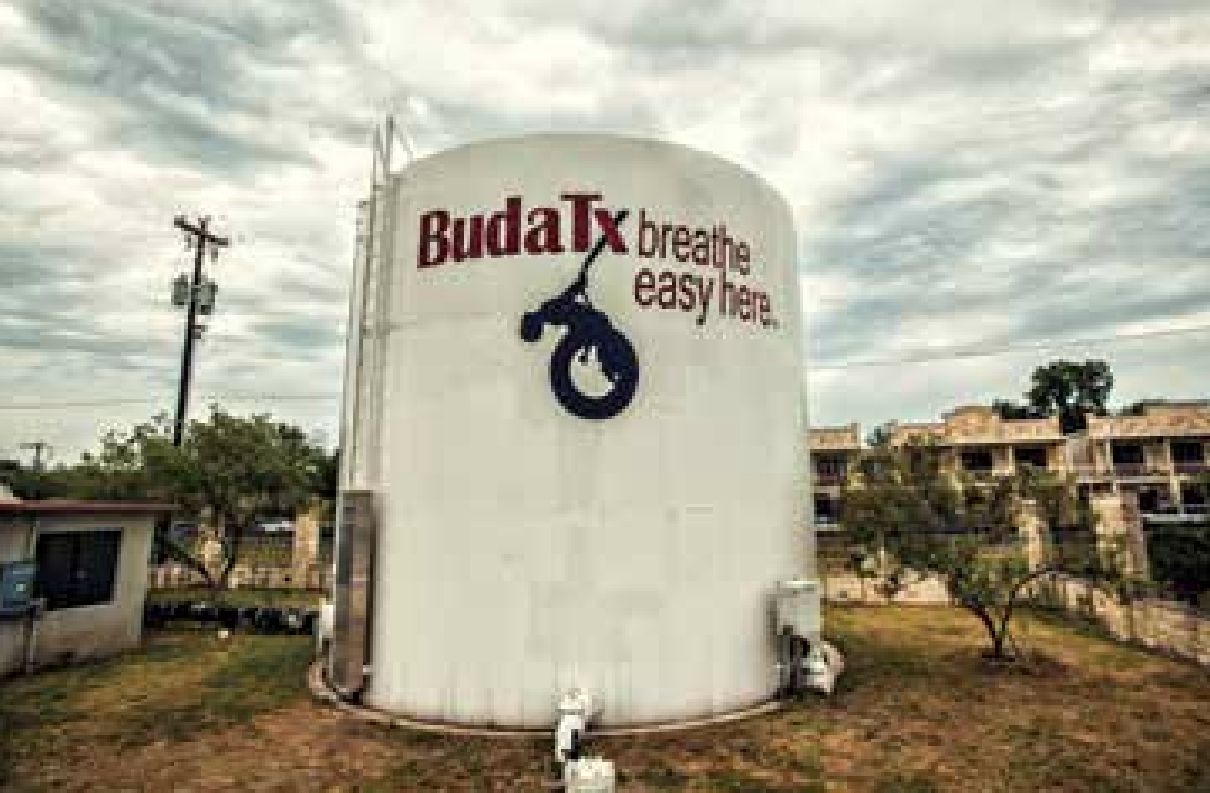
Buda estimates its current population at about 9,000. Based on that estimate, the city’s population has increased more than 270 percent from the 2000 census figure of 2,404.
Through the analysis carried out in their strategic plan, Buda discovered that about 80 percent of their workforce travels outside the city to their employment destination. About 65 percent of their employment base is white-collar, and Austin is their primary destination.
After discovering this talent drain, the city’s economic development corporation (EDC) put together a plan to sell Austin companies on locating in Buda to shorten their employees’ commute time. U.S. Foods was convinced and relocated from Austin to Buda, bringing a 290,000-square-foot office/warehouse facility and 250 employees with them.
“The lease rates for space in Buda were half of the rates in Austin, and their employees got a dramatically reduced commute time,” says Garretson. The city continues to work with developers to look at other retail/office/residential development.
For U.S. Foods, the main attraction was a better quality of life for their employees through a much shorter commute. Limited incentives were offered.
“The EDC can do a cash or sales tax incentive while the city can offer property or sales tax rate incentives,” says Ann Miller, executive director of the Buda EDC. “However, incentives are given on a case-by-case basis,” says Miller. “We have learned that we can say no.”
San Marcos
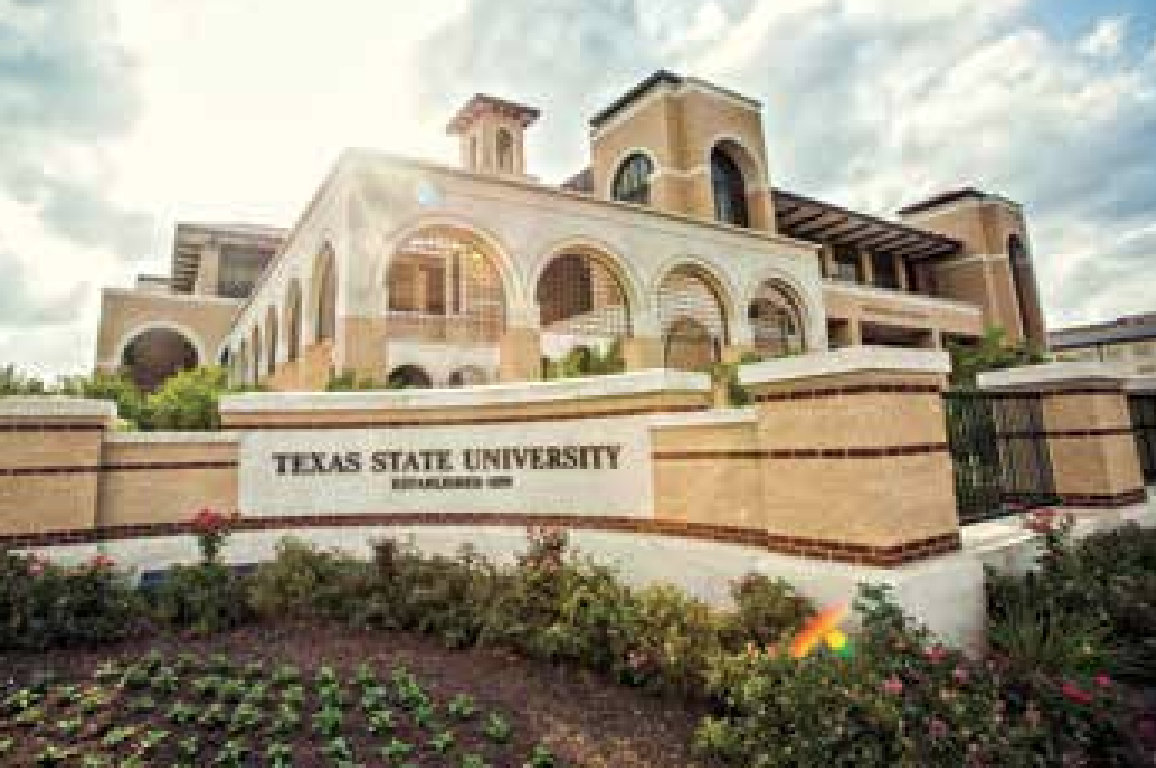
San Marcos currently has more than 50,000 residents. Texas State University’s student population alone is about 36,000.
“The challenges were different here,” says Garretson. “One task was to try to improve the physical relationship between downtown and the university. Another was addressing the competition between downtown retailers and the outlet stores. It was important for the downtown retailers to understand exactly who their target market was.”
“The university brings the city culture and sports at a reasonable price,” says Scott Gregson, past president of the San Marcos Downtown Association. “We also have the San Marcos River, whose headwaters are actually in our downtown. The Lone Star commuter rail line between Austin and San Antonio would be a real gamechanger.” The proposed line would come through downtown on the existing Union Pacific track, which would be moved east along SH-130.
Garretson agrees that the dynamics of the city will change with the addition of commuter rail. He helped convince the city to increase the allowable density near the proposed rail line from five to ten stories, paving the way for increasingly popular transit-oriented development.
“The city will need to look at its building codes,” says Gregson. “We need to consider denser housing like micro-lofts for folks who want to live in downtown San Marcos and commute to the bigger metros to work. By car, San Marcos is just outside the tent of a comfortable commuting distance. With rail we can be under it, and the reverse commute would be easier.”
Gregson also believes downtown must consolidate smaller land tracts to go vertical. “How high to go is always a tough decision,” he says. “Some folks wanted a maximum of three stories or less while others were okay with ten. We decided on five except around the square, with the ability to go higher with city approval. We want to keep that small-town ambience.”
He also believes all cities have “low-hanging fruit” they can capture like cleaning up, repairing and widening sidewalks, and maintaining good trash collection. General appearance upgrades make a difference to the site selection folks who often scout potential towns unannounced.
Kyle
Kyle has grown from a population of 5,314 in 2000 to more than 30,000 today. This represents an increase of more than 460 percent during the past 14 years.
“We would like Kyle to be a full-service community,” says Diana Blank-Torres, director of economic development for the city. “We want our residents to have a range of options like living and working here, living here and working somewhere else or vice versa.”
Like Buda, about 80 percent of Kyle residents commute outside the city for employment. A 2013 study by the Texas Transportation Institute projects that if nothing changes, by 2035 the 12-mile commute from Buda to South Austin will take 119 minutes in the morning and 157 minutes in the evening. That trip to South Austin would be even longer from Kyle.
Kyle officials believe commuter rail would have a significant impact on commutes. Three Kyle locations have been ear-marked as possibilities for a rail stop. One possible location is near the new urbanist community of Plum Creek, built in 1999.
“Kyle city officials originally asked me why they should get behind light rail since it would only help their labor force exit the city more efficiently for employment somewhere else,” says Garretson. “I argued that they should turn that question on its head and ponder why it wouldn’t help bring in labor more efficiently from the outside to work in less-congested Kyle as well.”
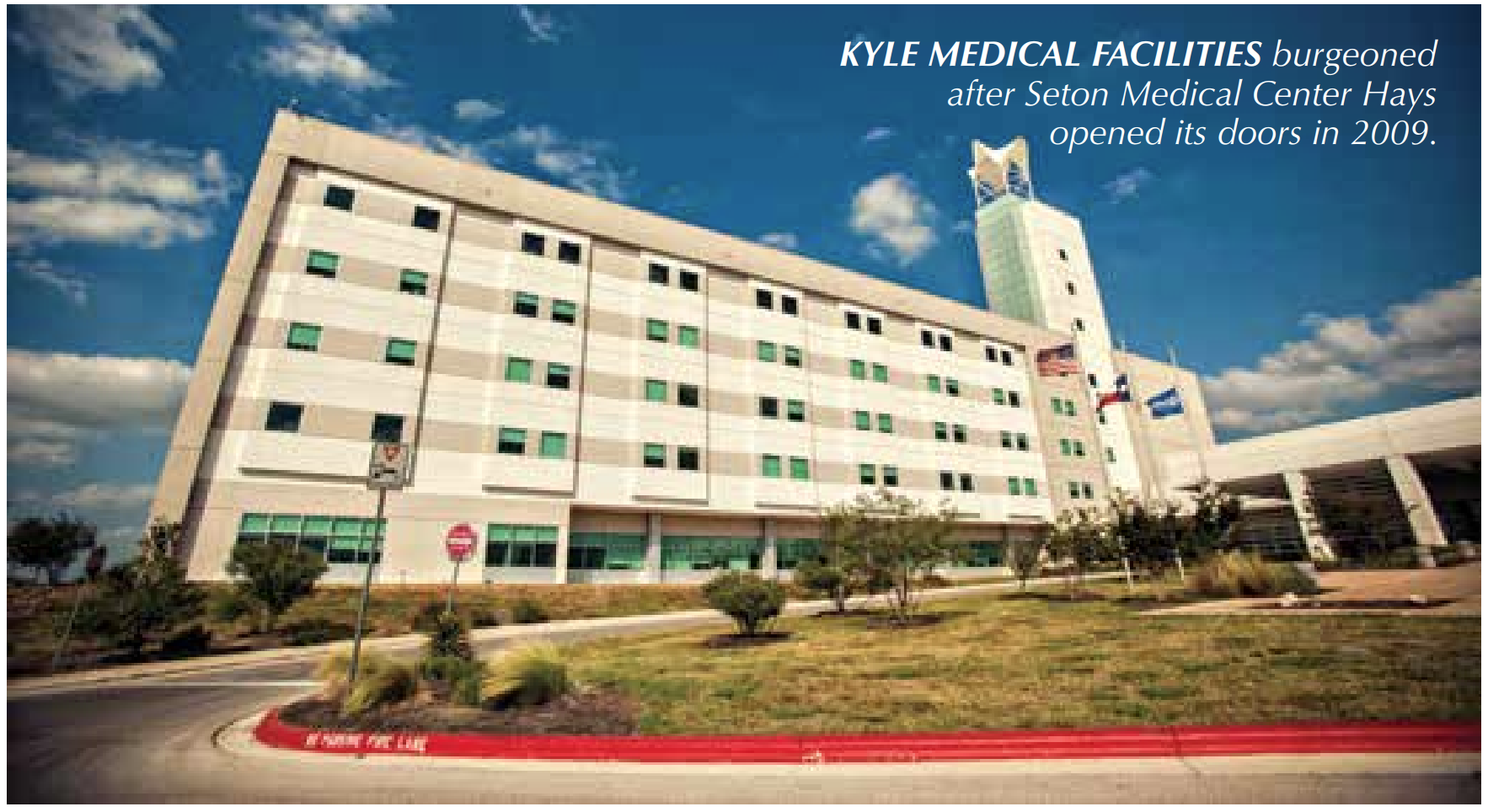
Seton Medical Center Hays opened in 2009 followed by a flood of other medical space. Prior to that, the city had only 17,000 square feet of medical facilities. Today, Kyle has a total of 820,000 square feet of medical space, with Seton being about 300,000 of it.
“If Seton hadn’t come to town, it’s probable that another provider would have,” says Torres. “Our population surge hit about the same time medical groups were in an expansion mode. We do need more executive housing in the $300k to $400k range for those medical folks to live in though. It’s a niche that’s not being filled.”
With 3 to 3.5 million square feet of retail just opened or under construction, Kyle is still only 30 percent developed out. “A big problem is no spec buildings to show potential companies,” says Torres. “Developers have only wanted to do buildto-suit space. And Kyle is so new that it doesn’t have any large older buildings to draw on.”
“Since I’ve been in office, the city has been able to shift its focus to the downtown streetscape, remodeling and restoring city hall, and allowing more mixed-use development,” says Mayor Lucy Johnson. “You really have to give people a reason to come to a downtown area.”
Dr. Hunt ([email protected]) is a research economist with the Real Estate Center at Texas A&M University.
Did you like this Article?