
Exploring Texas’ Semiconductor Corridor
The area north of Austin may be known for chip manufacturing, but Taylor, Jarrell, and Salado are carving out their own identities.


Two regions in Texas are hotbeds for Semiconductor (chip manufacturing) and high technology-related industries in general. Sherman is one, but perhaps better known is the area encompassing the I-35 corridor from Austin (Travis County), into Taylor, Jarrell, Hutto, Walburg, Round Rock, and Georgetown (all in Williamson County).
Semiconductor manufacturing already had its roots established in nearby Austin, but Samsung’s announcement of a $17 billion plant near Taylor in 2021 kicked off frenzied investment activity in the surrounding area’s real estate markets. Construction commenced on the facility in 2022 and is expected to be completed in 2026.
Taylor’s Strong Economy
Taylor traces its roots to 1892, when the International-Great Northern Railroad arrived. It was named after Edward Moses Taylor, a railroad official. Early on, immigrants from Czechoslovakia, Germany, and Austria helped grow the town, which became a shipping point for cattle, grain, and cotton.

In 2023, the U.S. Census Bureau pegged the population of Taylor at 16,767. Some estimates for 2025 place the population at 17,935. The town has been growing about 2 percent per year with a young median age of 36.2. Several residential developments, like Spring Creek and Castlewood, have been built in Taylor offering new homes with prices starting around $300,000.


The older sections of town have seen some upgrading as well. A few buildings in the downtown area have benefitted from significant upgrades and are quite attractive. Taylor has been in a relatively strong economic position for a while. Its economic base is somewhat diverse, relying on manufacturing, retail, professional services, and construction. The school system is also a significant employer. The town enjoys the benefit of a small lake that is part of Murphy Park.
Affordability in Jarrell
Jarrell’s immense rate of growth caught me completely off guard because it started from very little existing stock. On the afternoon of May 27, 1997, at 3:40 p.m., a gigantic, slow-moving F-5 tornado devastated the town. The death toll reached 27, with many others injured. There was more than $40 million in property damage and hundreds of cattle killed as well.
Today, Jarrell is showing signs of a resurgence. The town grew 21 percent between 2022 and 2023. Growing at an annual rate of over 15 percent per year, one estimate places the current 2025 population at 5,430. The median age is 34.3 years with an average income of $105,185.
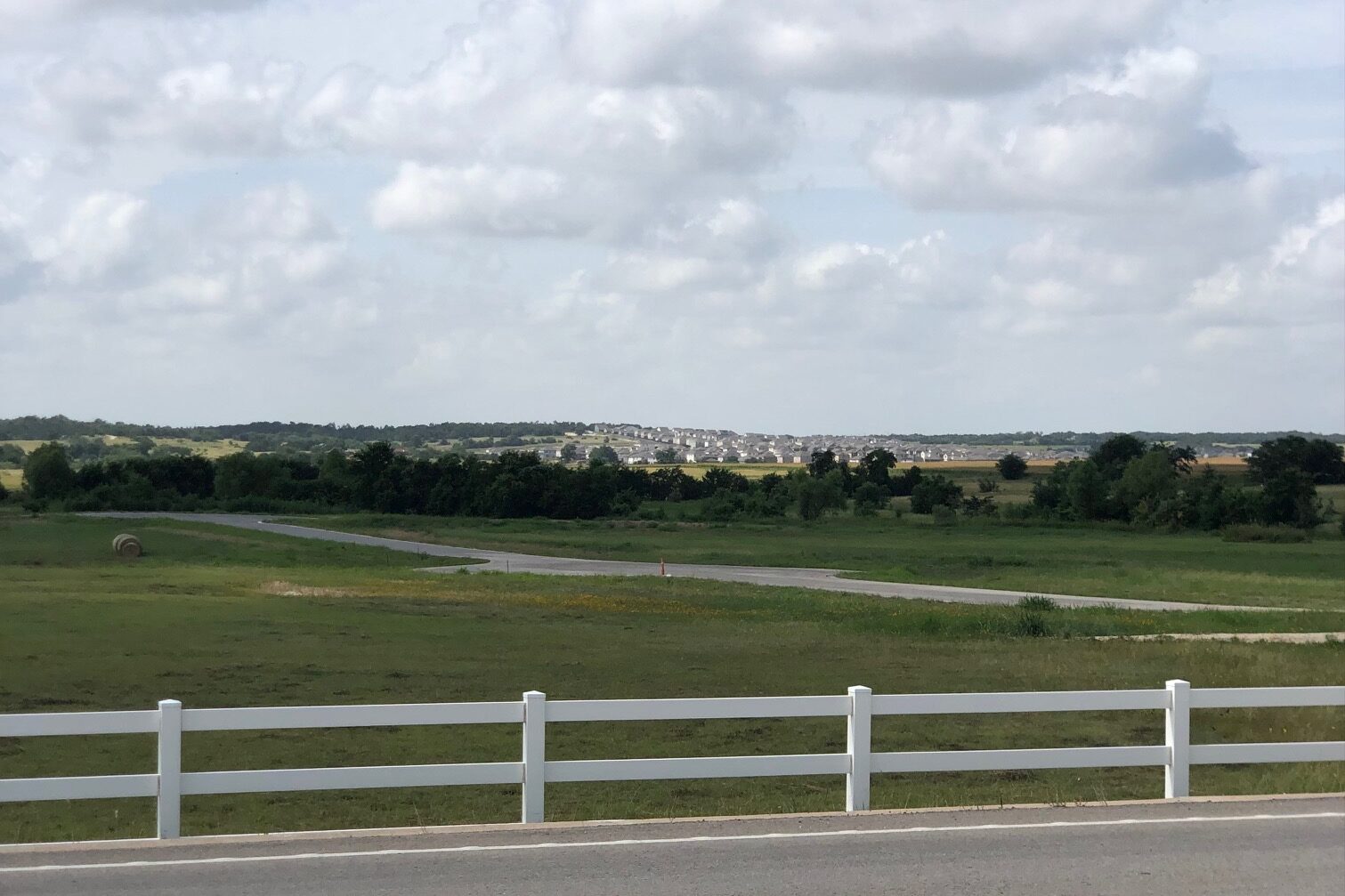
Most of the growth is occurring on the east side of I-35. The old town of Jarrell is on the west side. There are new houses almost as far as the eye can see along this stretch of I-35. I talked to a well-respected local appraiser, and he said the relatively affordable cost of land for development made Jarrell’s growth possible. Jarrell offers housing that is more affordable than in Round Rock, Georgetown, and Austin. He also noted that wastewater treatment has been a limiting factor for nearly all the smaller towns that find themselves with rapidly escalating development pressures and the population growth that accompanies those developments. Other than being the site for tech workers living in new homes, limestone quarries are a significant part of the area, turning out cut and chopped limestone for buildings and crushed limestone aggregate for roads and other construction uses.
Historic Salado
Further north in Bell County on I-35 lies Salado. Except for signage, many would not know that this picturesque village even exists. Most of the village proper lies on the east side of I-35. The town’s main street was the actual historic path of the Chisolm Trail.
Salado is a major tourist attraction with its historic structures, like the Stagecoach Inn (a stop on the Chisolm Trail), antiques stores, and an eclectic mix of retail shops. Mill Creek Golf Course and Development has been there for decades. The town and the course are aligned along Salado Creek. The crystal clear waters of the creek, bubbling up from nearby springs, was designated as Texas’ first natural landmark in 1966. The rock bottom waterway adds a special taste of the Hill Country to this part of the state.
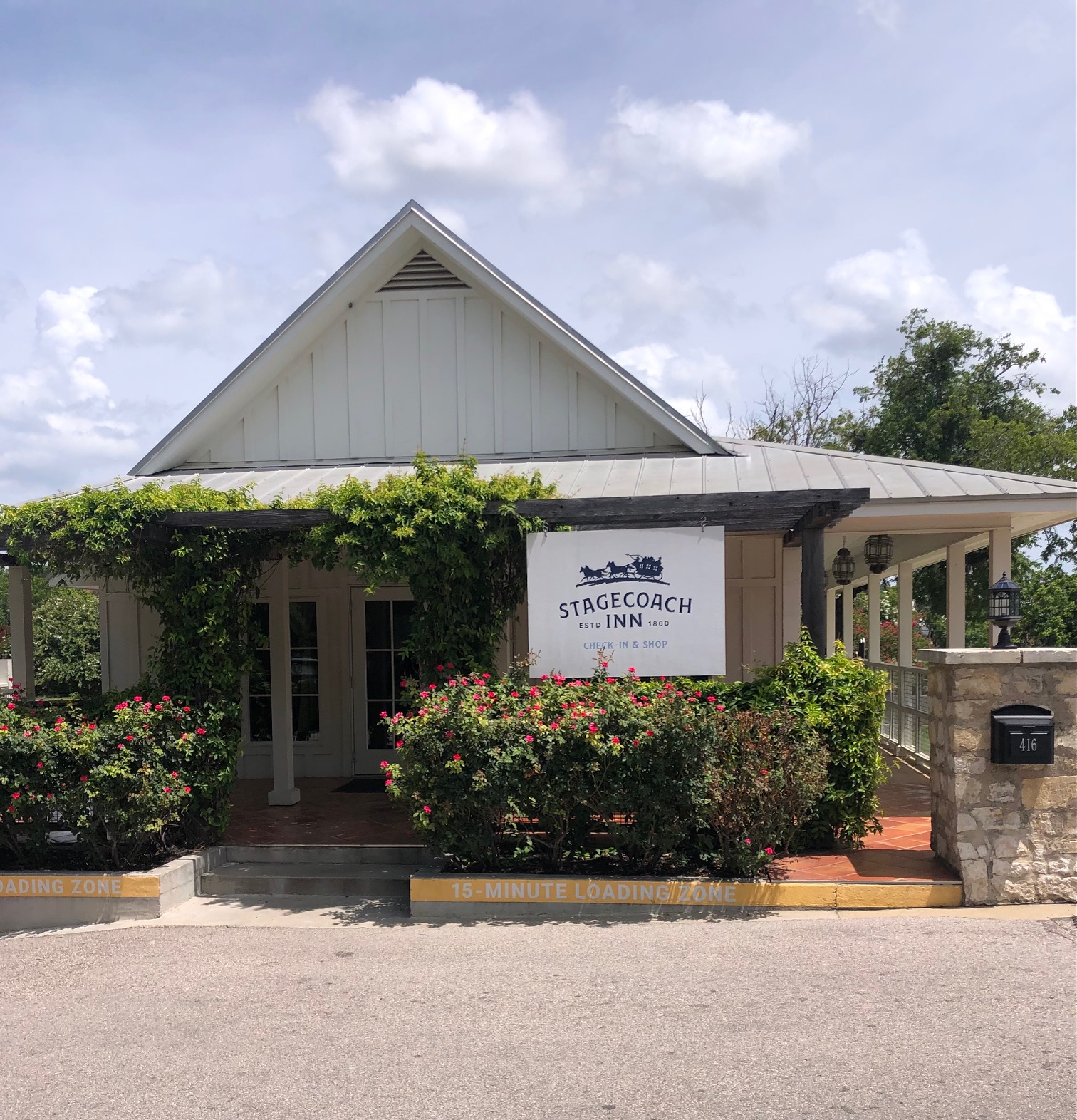

Development adjacent to the older sections of the Mill Creek project has become the site for newer, high-end homes bordering the creek. Salado, with its quaint shops, golf course, and ready access to Austin and Temple/Belton and their top-quality healthcare, have made it popular with retirees, but it is not exclusively a retirement community. Education and construction augment the retail-associated tourism industry as drivers of the local economy. Salado has a long history in the arts and the educational realm as its founding was directly related to the establishment of Salado College.
Early on there were several men’s and women’s societies devoted to learning and reading books, writing poetry, public speaking, and debating issues of the day. It remains a charming and engaging village that was churning with life and visitors when I did my field work there mid-week.
All notations on the history of the towns in this article were sourced from the Texas State Historical Association or the City of Taylor and Village of Salado’s websites.
Views expressed on The 338 are those of the authors and do not imply endorsement by the Texas Real Estate Research Center, Division of Research, or Texas A&M University.


